
Asia is home to some of the most breathtaking landscapes on Earth and some of them look so surreal, you might think they’ve been edited in Photoshop. From rainbow-coloured mountains to glowing blue flames, this vast continent is packed with natural wonders that feel more like scenes from a sci-fi film than real places you can actually visit.
If you’re looking for travel inspiration or simply love discovering places that defy expectations, here are some of the most unique natural wonders in Asia that truly don’t look real.
1. Zhangye Danxia Landform, China
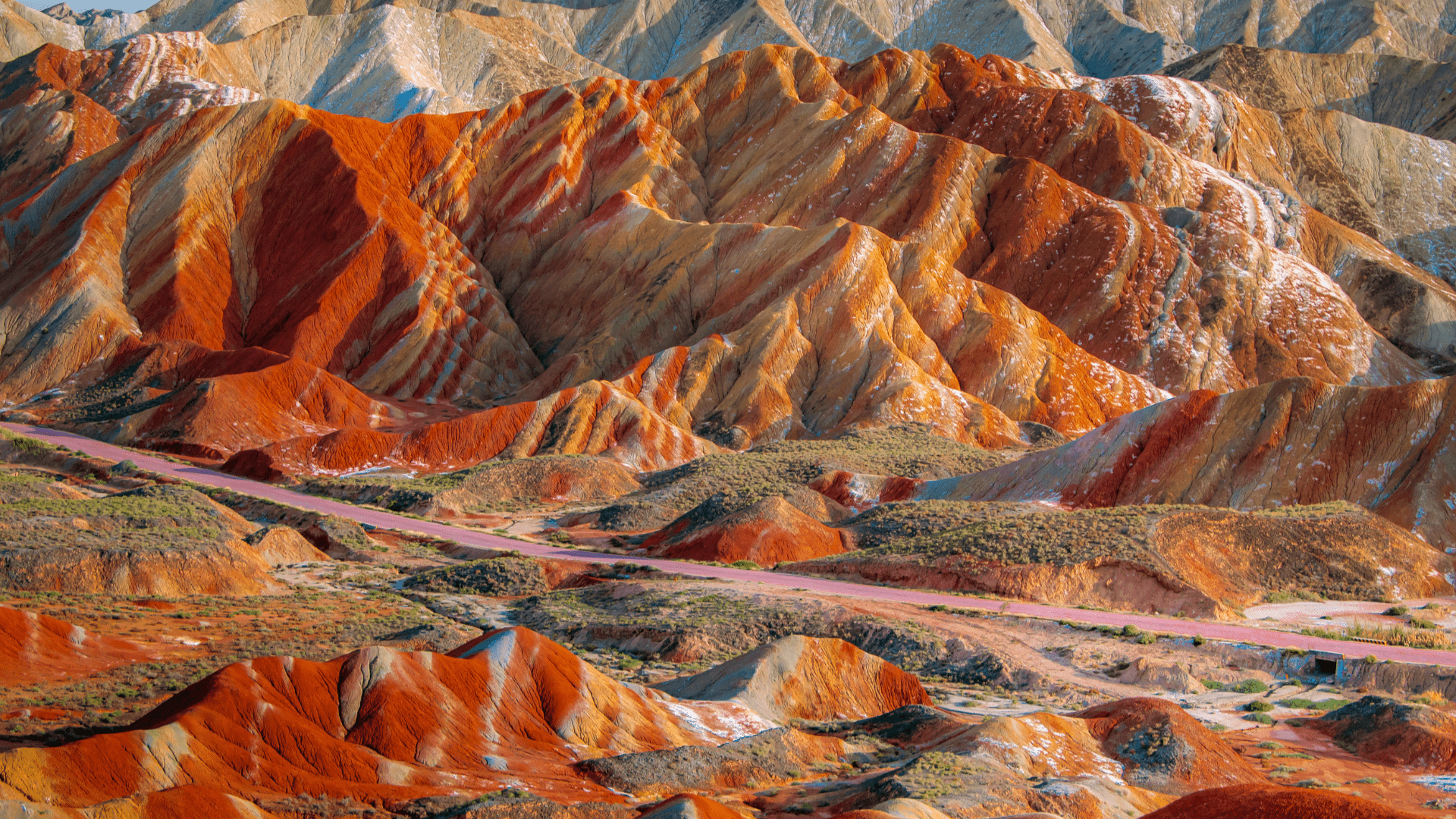
Imagine standing in front of rolling hills painted in bold stripes of red, yellow, orange, and green. That’s exactly what you’ll find at Zhangye Danxia in China’s Gansu Province.
These colourful layers were formed over millions of years by sandstone, minerals, and tectonic movement. The result? A landscape that looks like it belongs in a painting rather than the real world.
Best time to visit: Morning or late afternoon, when the colours are most vibrant
Why it’s unique: Naturally occurring rainbow patterns no filters required
2. Chocolate Hills, Philippines
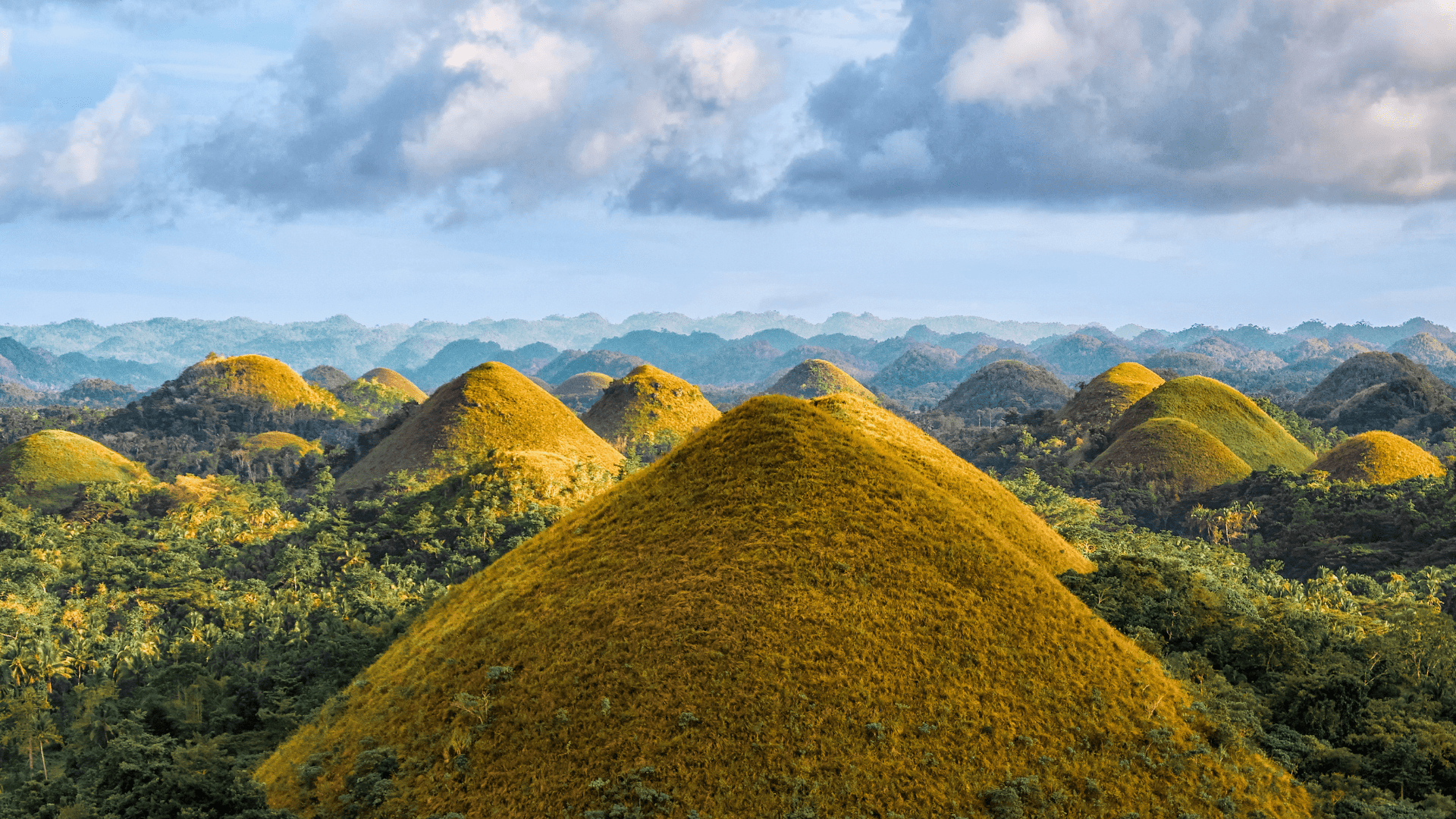
No, they’re not made of chocolate but they definitely look like it.
The Chocolate Hills in Bohol consist of over 1,200 perfectly shaped limestone mounds. During the dry season, the grass covering them turns brown, giving the hills their chocolate-like appearance.
Scientists still debate exactly how these formations came to be, which only adds to their mystery.
Best time to visit: March to May
Why it’s unique: Symmetrical hills that change colour with the seasons
3. Kawah Ijen, Indonesia
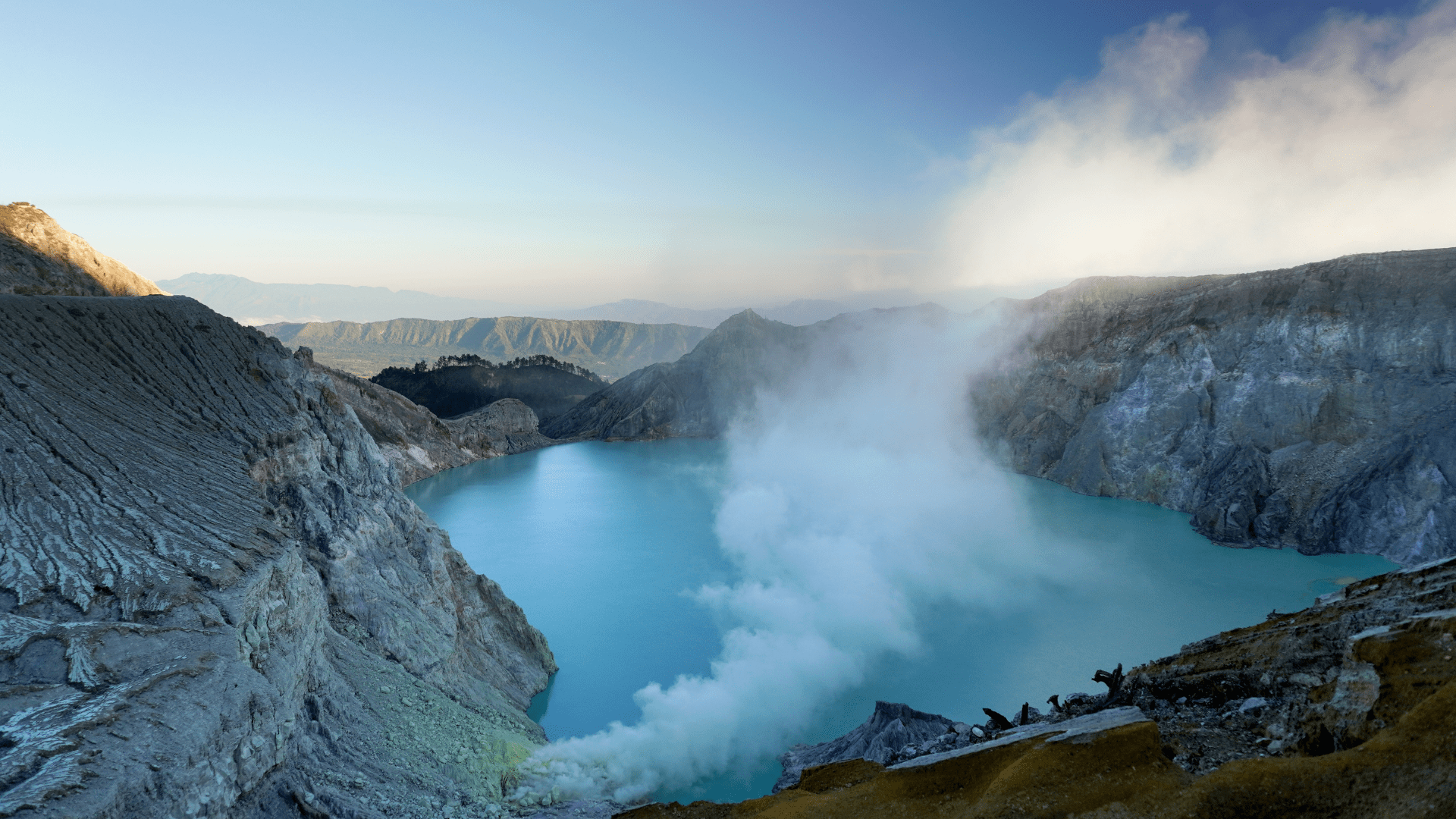
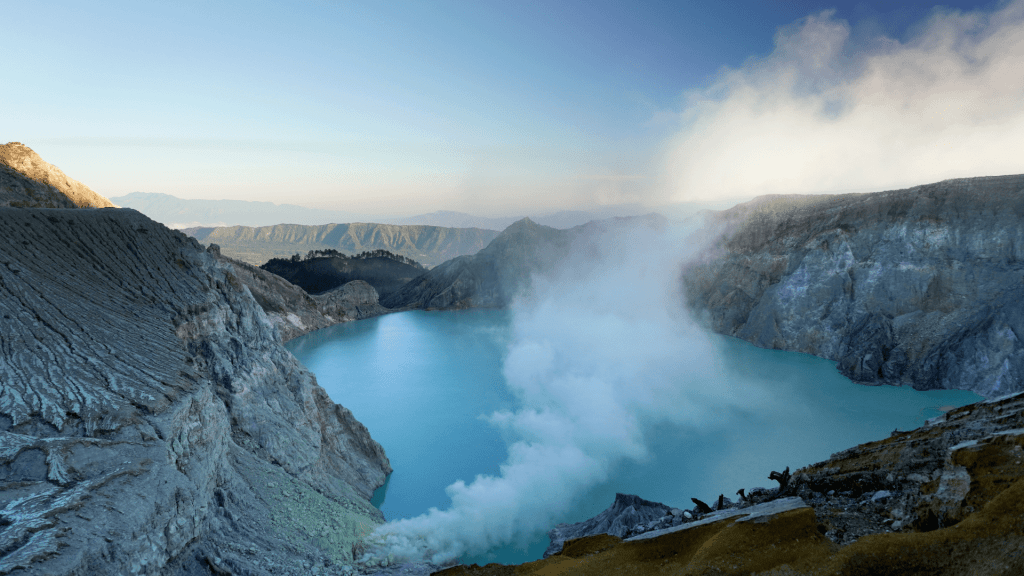
This is one of the few places on Earth where you can witness blue flames rising from the ground.
At Kawah Ijen volcano in East Java, sulphuric gases ignite when they come into contact with oxygen, creating an electric-blue glow that’s visible at night. The volcano also contains a striking turquoise acid lake – one of the most acidic lakes in the world.
Best time to visit: Night or early morning
Why it’s unique: Natural blue fire caused by burning sulphur gases
4. The Great Rann of Kutch in India

While Bolivia’s salt flats get most of the attention, Asia has its own version: The Great Rann of Kutch in India.
This vast salt marsh stretches as far as the eye can see. During the dry season, it becomes a blinding white landscape that looks endless and otherworldly. After the monsoon, shallow water turns it into a giant natural mirror.
Best time to visit: November to February
Why it’s unique: A mirror-like desert that transforms with the seasons
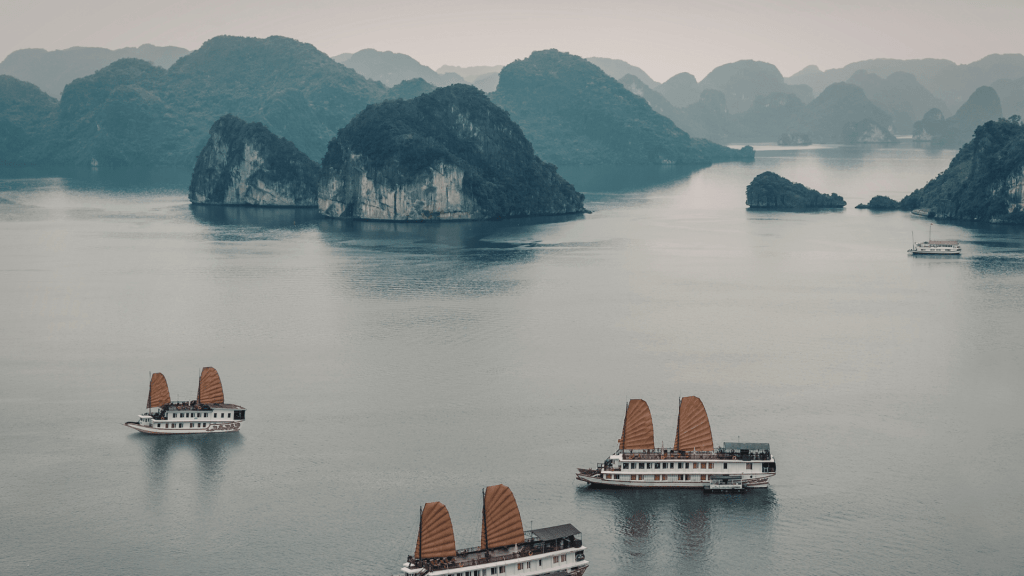
5. Ha Long Bay, Vietnam
Thousands of limestone karsts rise dramatically from emerald-green waters in Ha Long Bay, creating a scene that feels almost mythical.
Often shrouded in mist, the bay has inspired legends of dragons descending into the sea — and once you see it in person, it’s easy to understand why.
Best time to visit: March to May or September to November
Why it’s unique: Towering limestone islands scattered across calm waters
Asia’s landscapes are shaped by extreme geological forces volcanic activity, tectonic shifts, erosion, and mineral deposits all working over millions of years. Combined with diverse climates and ecosystems, the result is a collection of natural wonders unlike anywhere else on the planet.
Whether you’re planning your next adventure or simply dreaming of faraway places, these destinations prove that nature can be just as imaginative as anything humans create.
 WanderPath Travel