

Essential etiquette for travellers exploring Asia’s most culturally rich destinations
Travelling across Asia is an eye-opening experience filled with vibrant traditions, layered history, and deeply rooted cultural norms. While locals are often warm and welcoming, many European and American travellers unintentionally commit social faux pas simply because customs differ greatly from the West.
This guide covers the top cultural rules in Asia — the ones locals secretly wish all tourists would learn before they arrive. Understanding these basics will help you travel respectfully, avoid awkward mistakes, and truly connect with the local way of life.
Dress Modestly at Temples and Sacred Sites
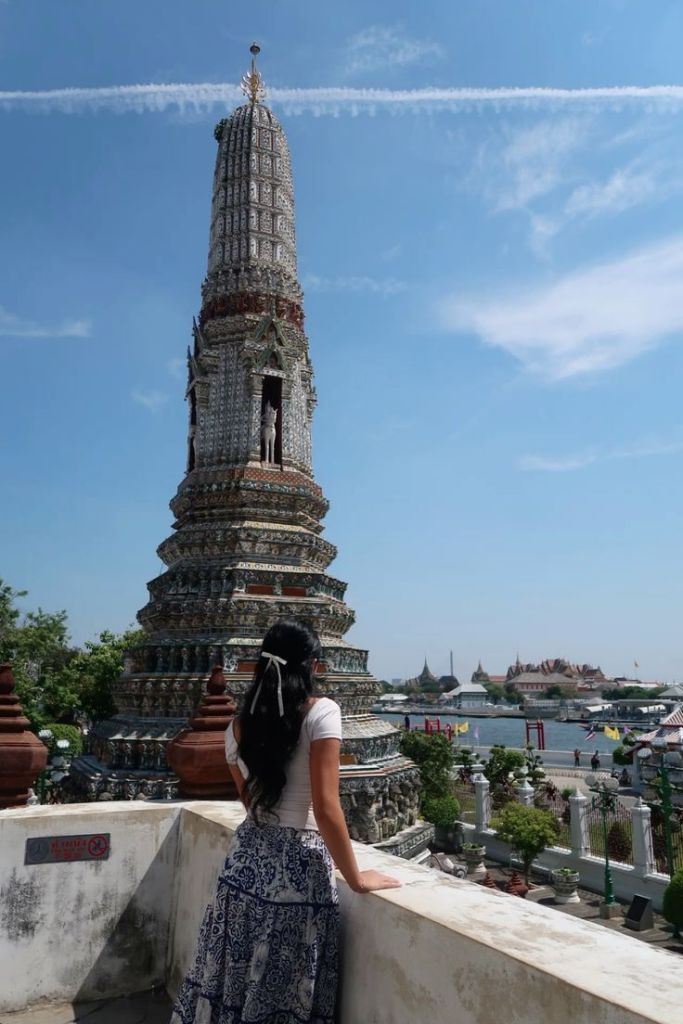
In many Asian countries especially Thailand, Japan, Cambodia, Indonesia, Vietnam, and India temples are living cultural spaces, not just tourist attractions.
- Cover shoulders and knees
- Remove shoes when required
- Avoid loud conversations and posing suggestively for photos
Avoid Touching Heads
In Buddhist cultures, the head is considered the most sacred part of the body. Touching someone’s head, even a child’s, can be seen as disrespectful.
Use Respectful Gestures
Using your index finger to point is often considered rude in many Asian societies. Locals commonly gesture with an open hand instead.
Use Both Hands When Giving or Receiving Items
In countries like Japan, South Korea, China, and Singapore, offering money, gifts, or business cards with both hands shows respect.
Dining Manners Matter
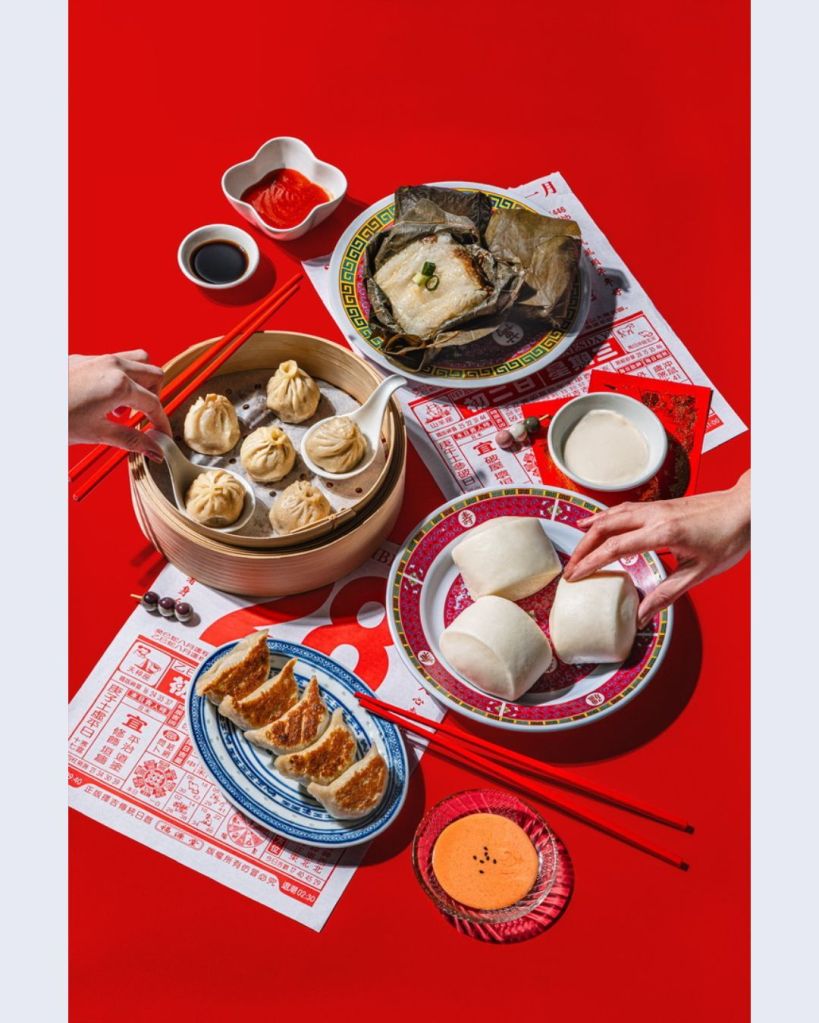
Dining etiquette varies across Asia, and locals appreciate when visitors try to follow it.
- Japan: Do not stick chopsticks vertically into rice; it resembles a funeral ritual.
- Korea: Don’t start eating before elders.
- China: Sharing dishes is normal — embrace it.
- Thailand: Eat rice with a spoon, not a fork.
Understand Local Queueing Habits
In some countries, queues may feel less orderly than in the West especially at train stations or street food stalls. Stay patient, follow the local flow, and try not to judge culturally different systems.
Public Displays of Affection Are Often Frowned Upon

Holding hands is fine in many places, but kissing or hugging in public especially near temples or older communities may be seen as inappropriate.
Always Remove Your Shoes When Entering Homes
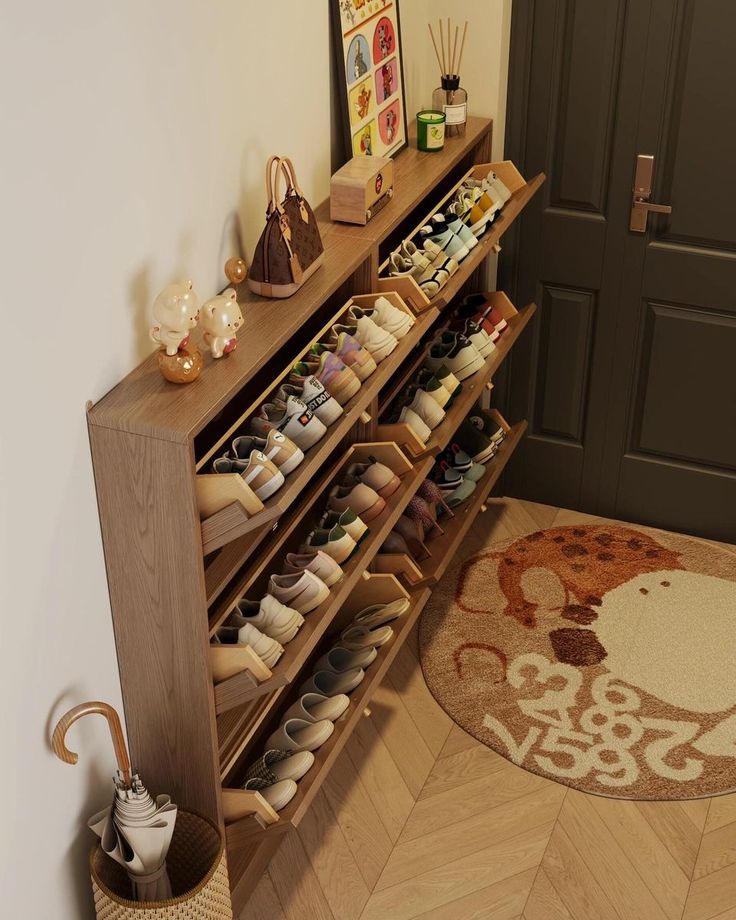
Across much of Asia, it’s customary to take your shoes off before stepping into someone’s home and sometimes even certain cafés or traditional accommodations.
Respect the Concept of “Saving Face”
Embarrassing someone, arguing loudly, or complaining aggressively in public can damage ‘face’ a cultural idea related to social dignity.
Speak softly, stay polite, and handle problems privately where possible.
Learn a Few Local Phrases
A simple “khob khun ka” (Thailand), “arigatou” (Japan), or “terima kasih” (Indonesia) immediately makes interactions warmer. Locals value effort more than pronunciation.
Ask Before Photography
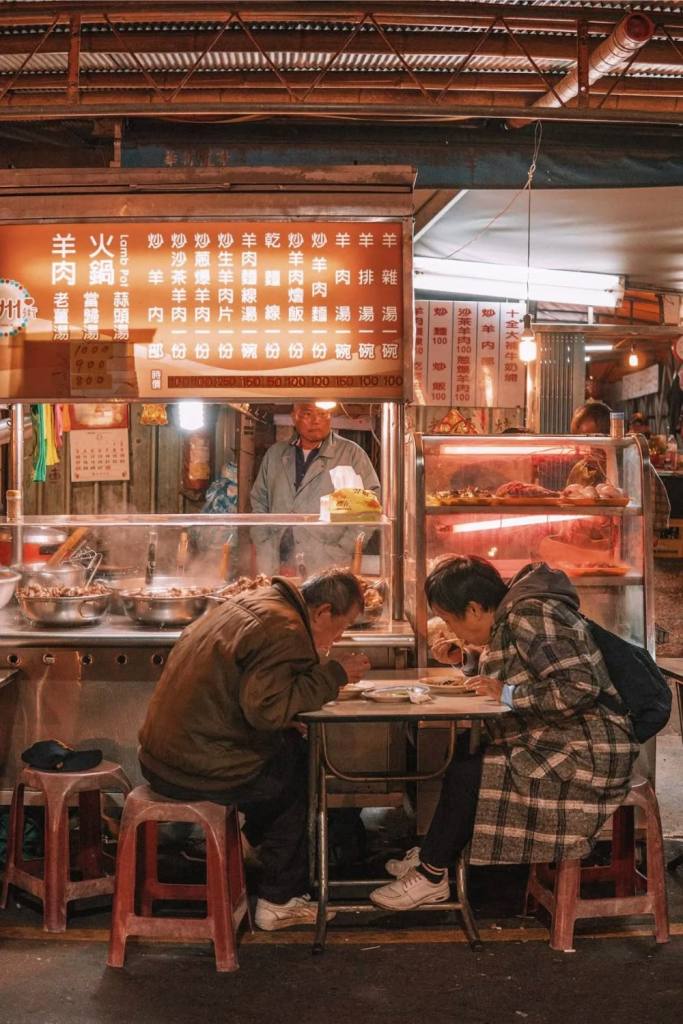
Asking before taking photos of monks, local markets, or people is not just polite it’s expected in many places. Some religious objects or ceremonies should never be photographed.
Respect Wildlife and Natural Sites

Asia’s beaches, jungles, and temples can be fragile.
- Don’t touch corals
- Don’t feed wildlife
- Don’t climb sacred monuments for photos
Plan Your Perfect Trip to Asia
Want to explore Asia like a local without worrying about cultural mistakes? Our customised travel planning service creates itineraries tailored to your interests: cultural tours, hidden gems, local food experiences, and luxury stays.
✅ Avoid cultural faux pas
✅ Discover insider tips only locals know
✅ Travel stress-free with an expert-planned itinerary
Start your journey today — Book your personalised Asia travel plan now!
 WanderPath Travel